Resources
Technical know-how for engineers and buyers
In-depth articles on industrial 3D printing, materials and DfAM processes, plus case studies and design guides for additive manufacturing.
Materials
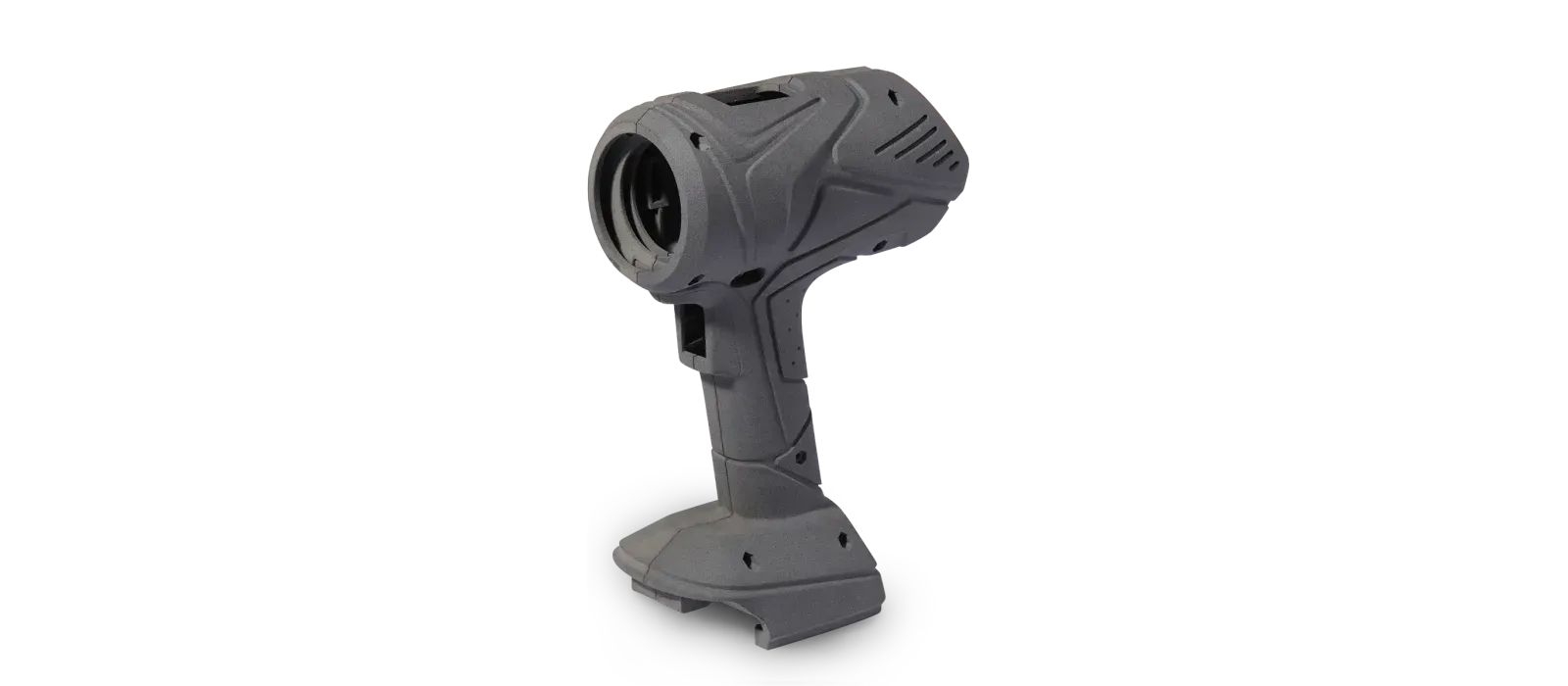
Properties, tolerances and applications of SLS Nylon PA12: why it is the go-to material for short functional runs with no support structures.
Read the article →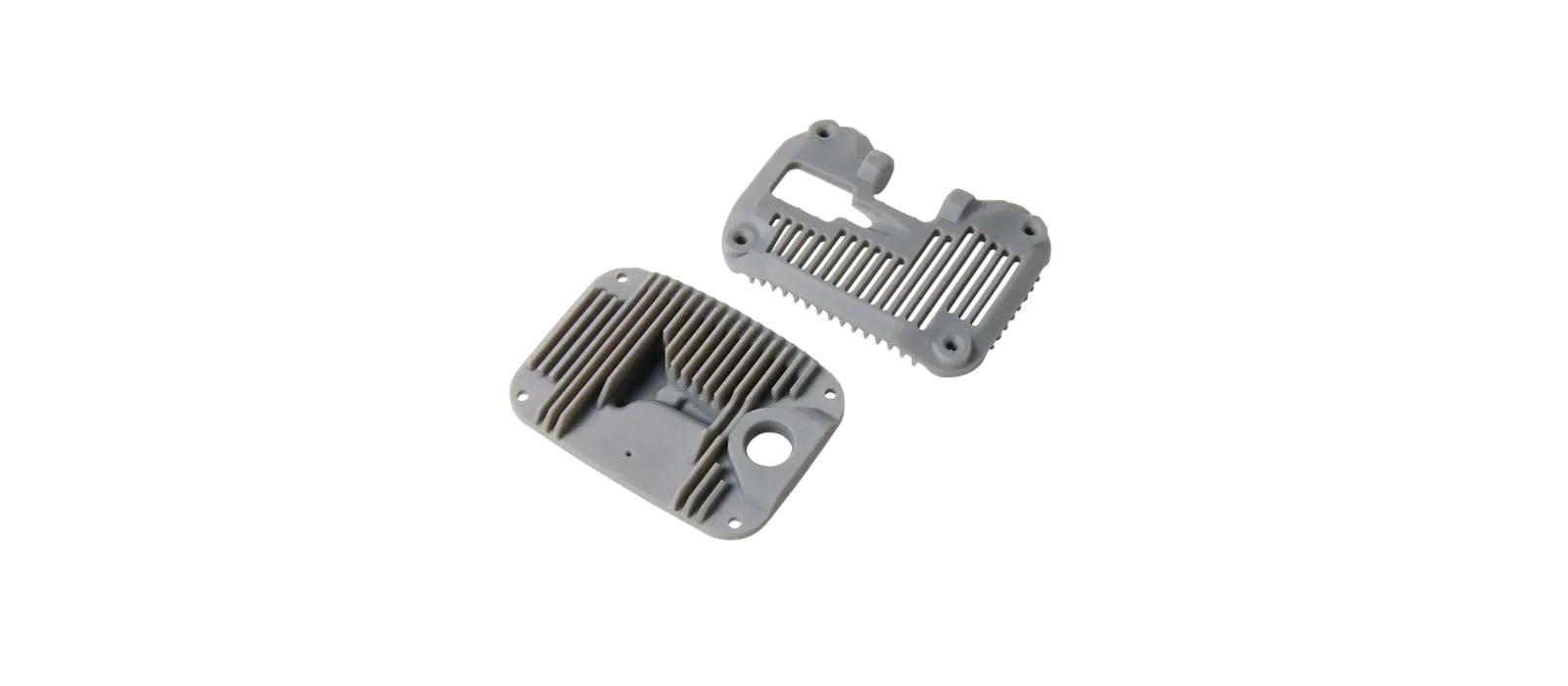
Technologies
What tolerances to expect from FDM, MSLA, SLS, MJF, CFC and LPBF metal, how to dimension your drawing, and when CNC finishing is needed.
Read the article →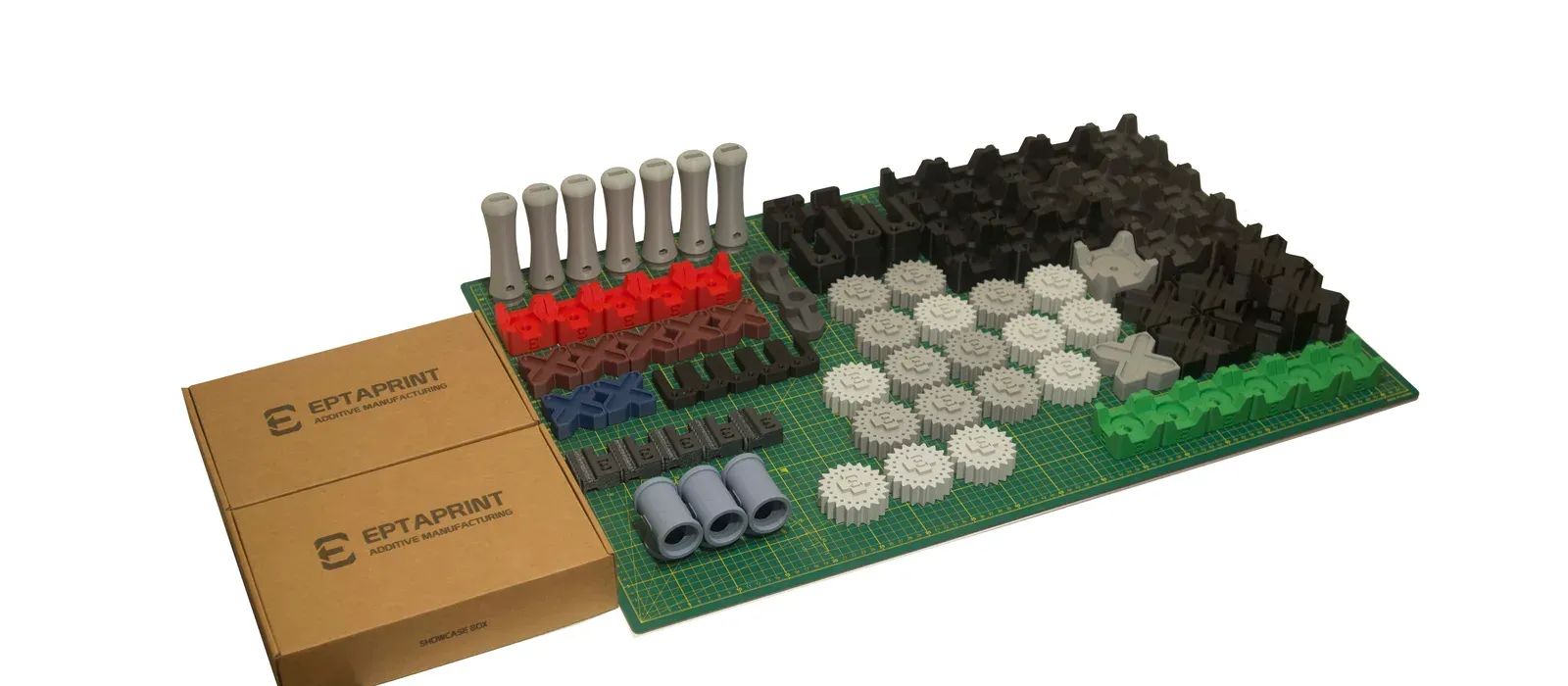
Design guides
What sets the price of an industrial 3D printed part: volume, material, process, finishing and lead time, with indicative ranges and ways to pay less.
Read the article →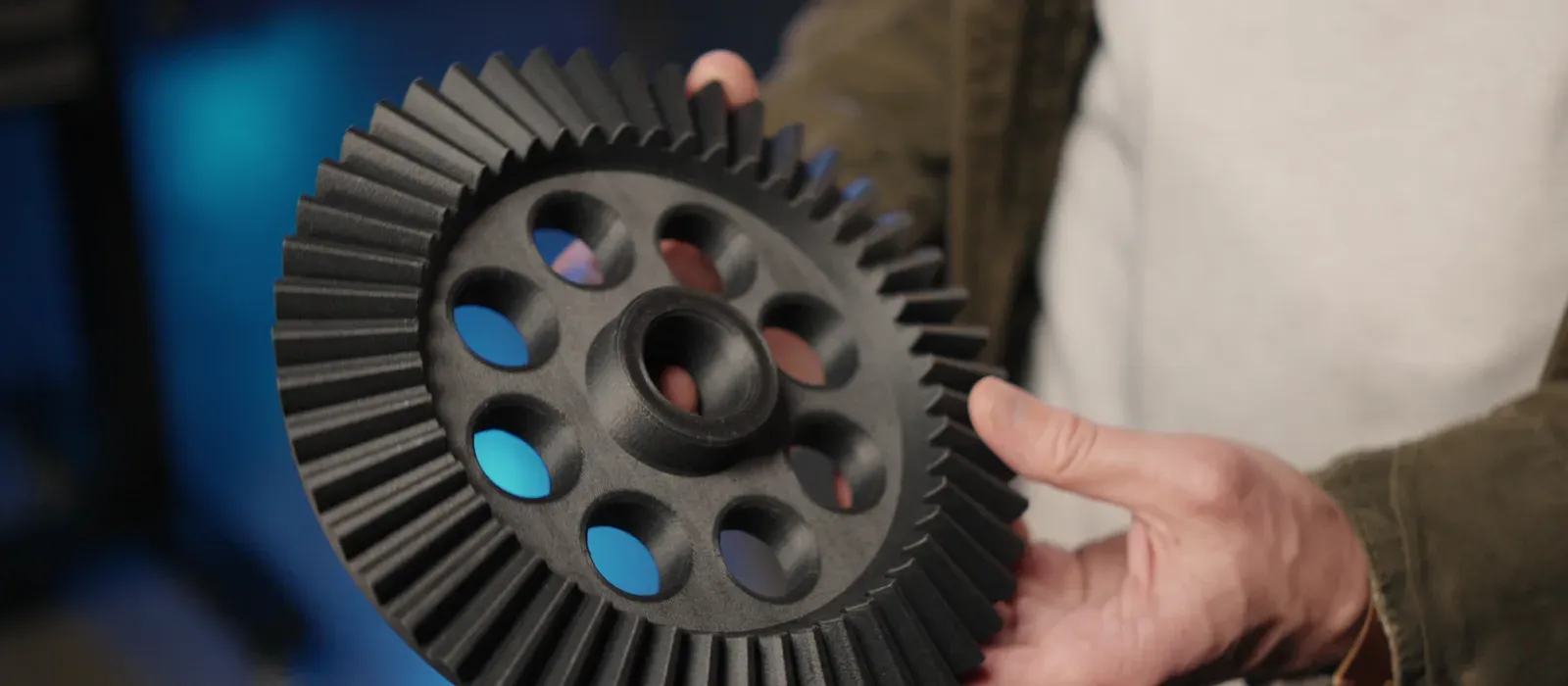
Technologies
Fixed costs, geometry, materials and volumes: a practical comparison of 3D printing and CNC machining to pick the right process, part by part.
Read the article →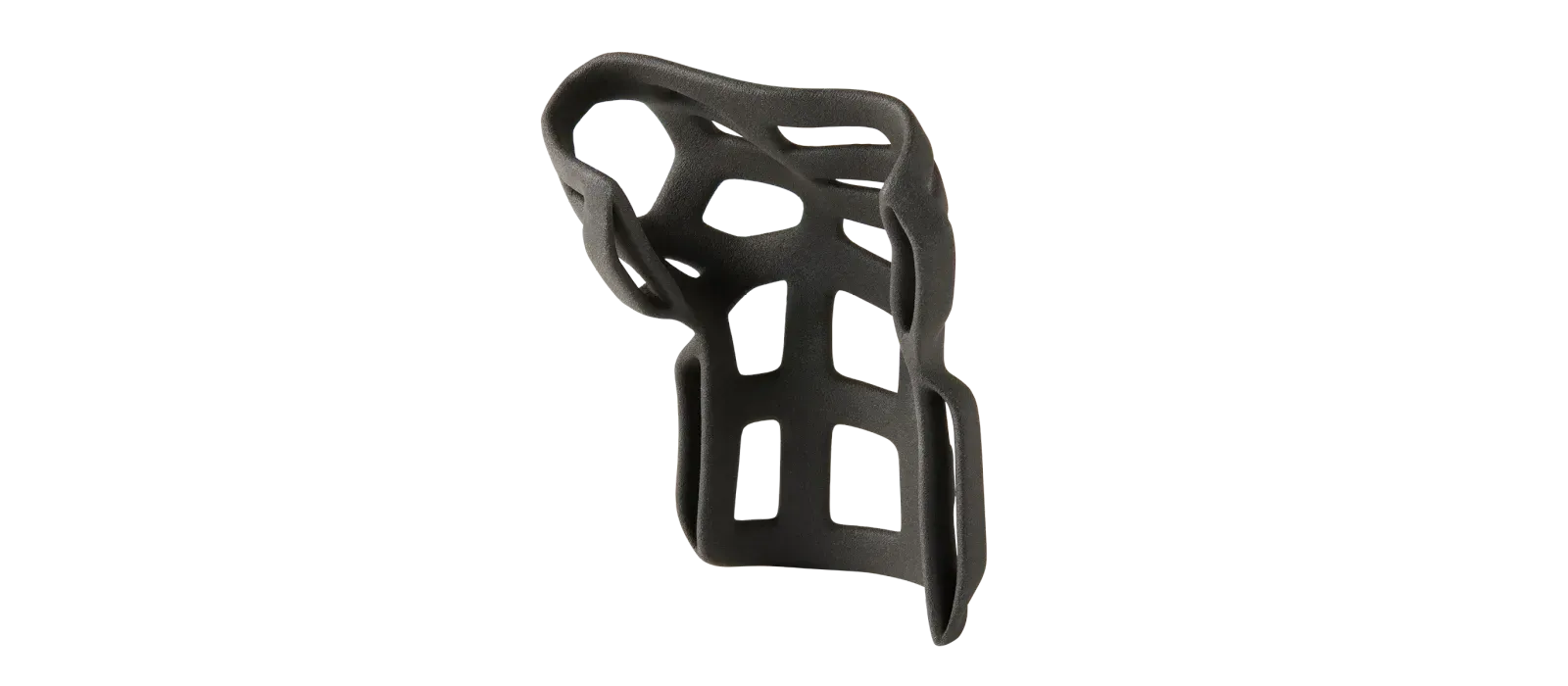
Technologies
MJF vs SLS for nylon parts: how each works, build volumes, materials, finish, isotropy and lead times, plus when each process is the better choice.
Read the article →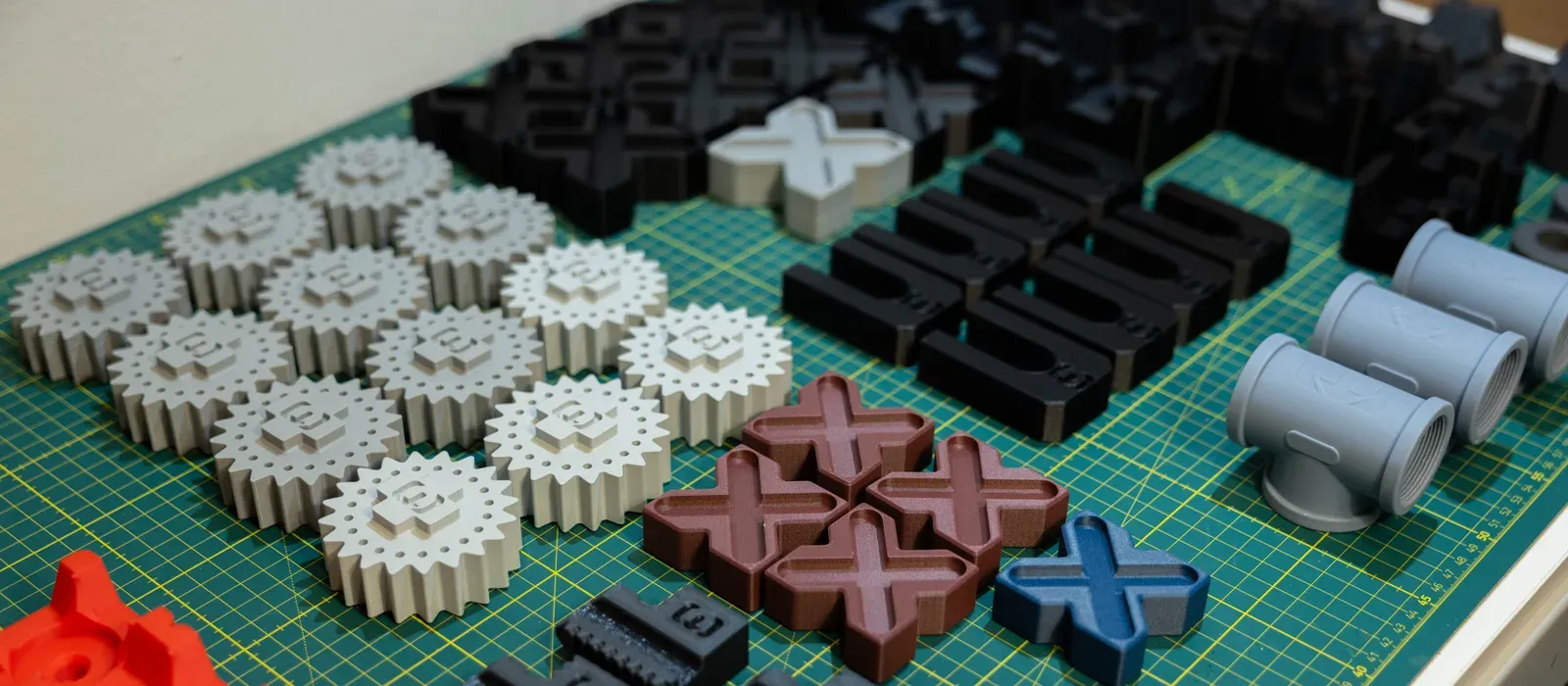
Design guides
How to replace machined aluminum jigs, fixtures, clamps and EOAT with 3D printed parts: process and material, design rules, cost and lead time.
Read the article →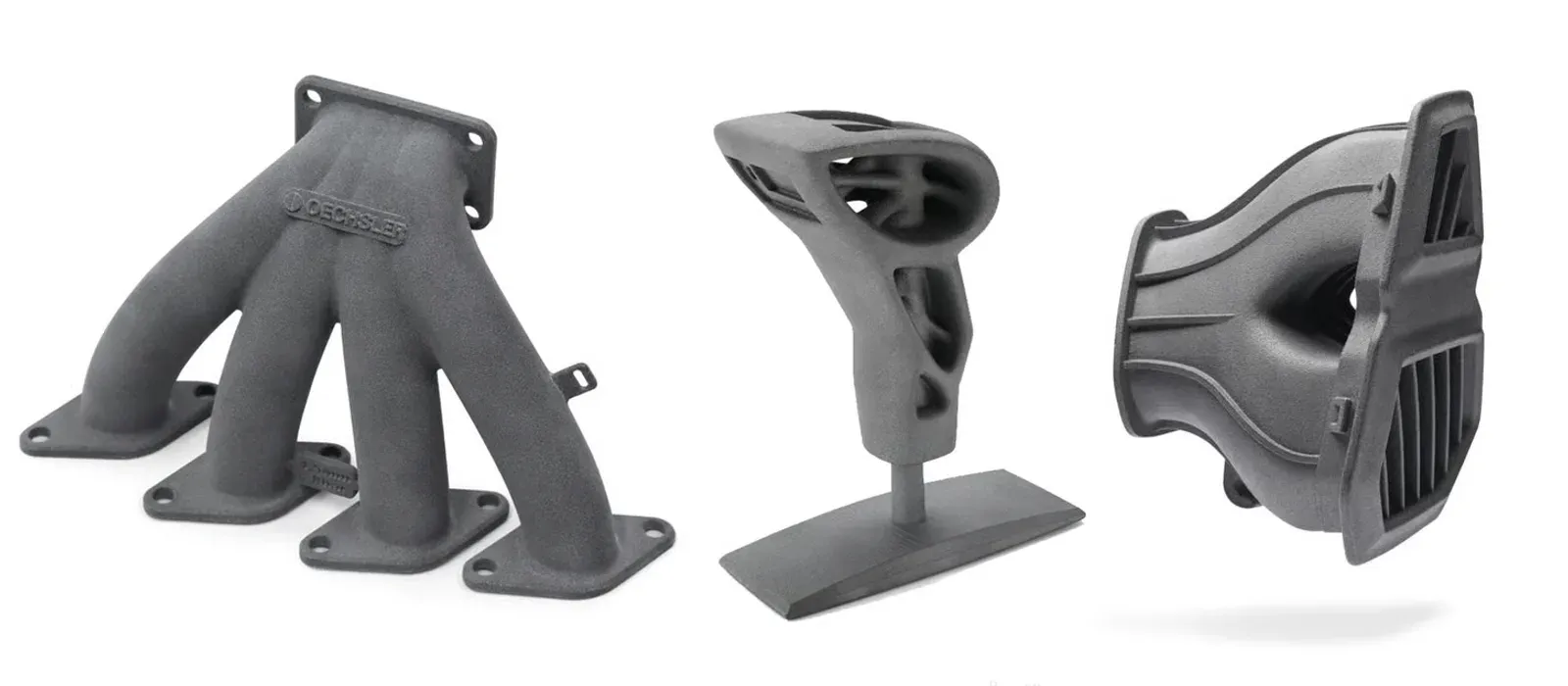
Materials
The six MJF materials in our catalog compared: HDT, tensile strength and elongation of PA12, PA11, PP and TPU, and how to choose the right one.
Read the article →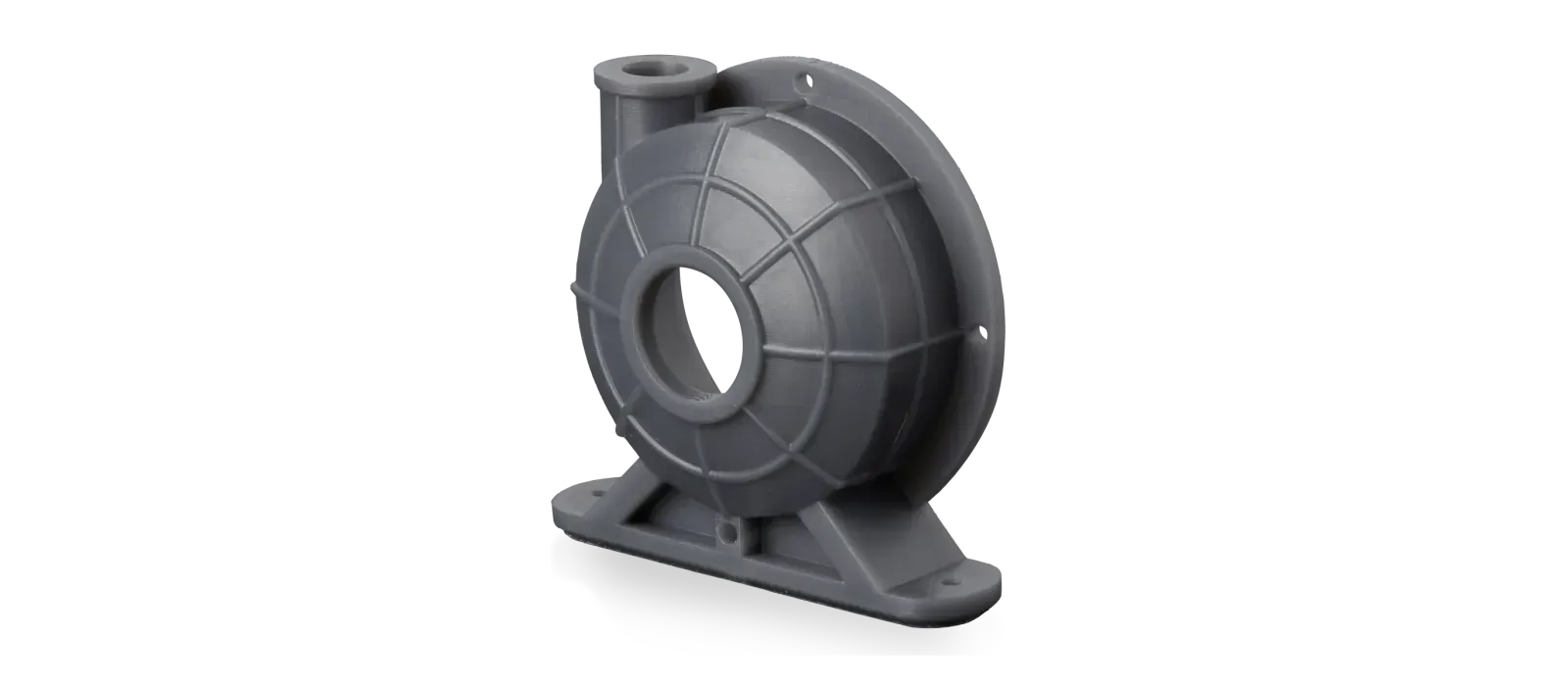
Materials
The eight engineering resins we print with MSLA compared: HDT, tensile strength, elongation, typical uses and when to switch to FDM, SLS or MJF.
Read the article →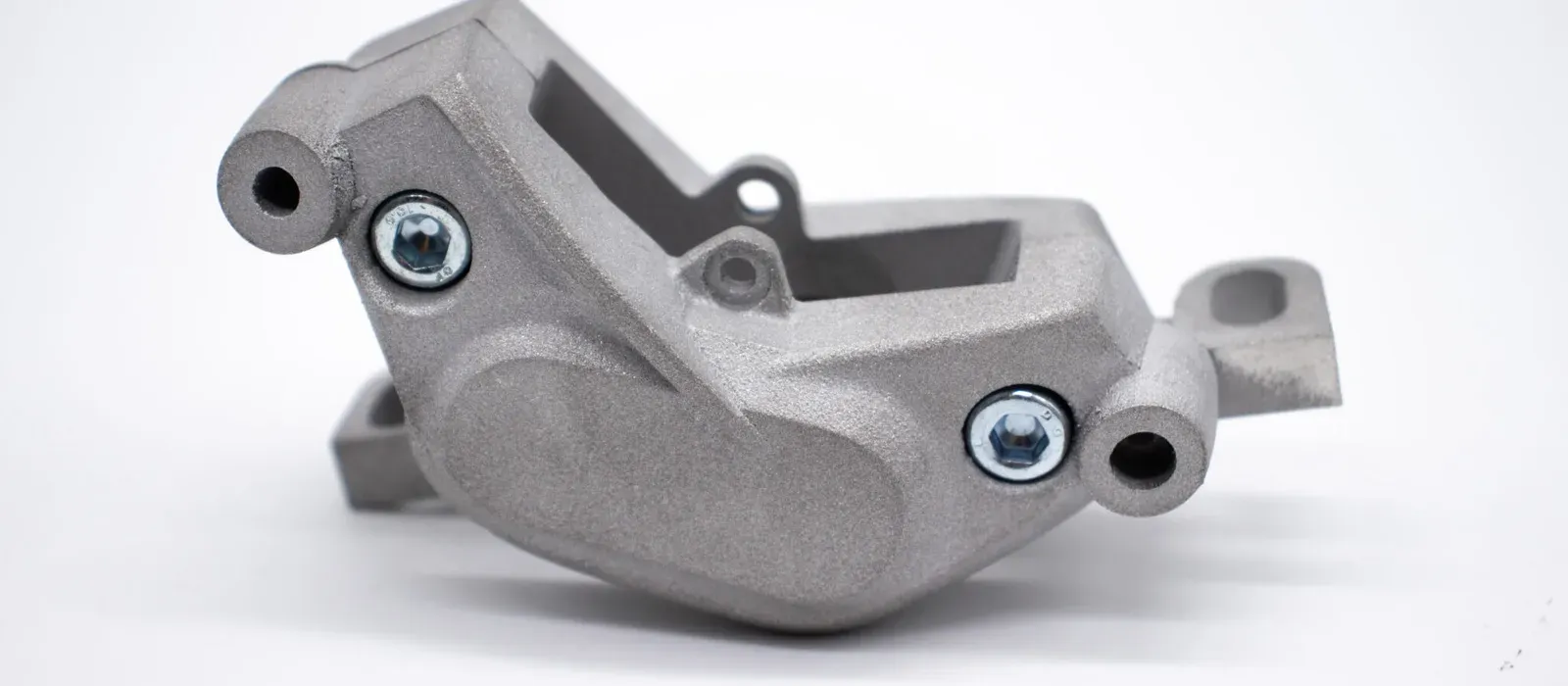
Technologies
When LPBF metal 3D printing beats CNC machining and casting, the design rules that matter, and when a PEEK or CFC part can replace the metal one.
Read the article →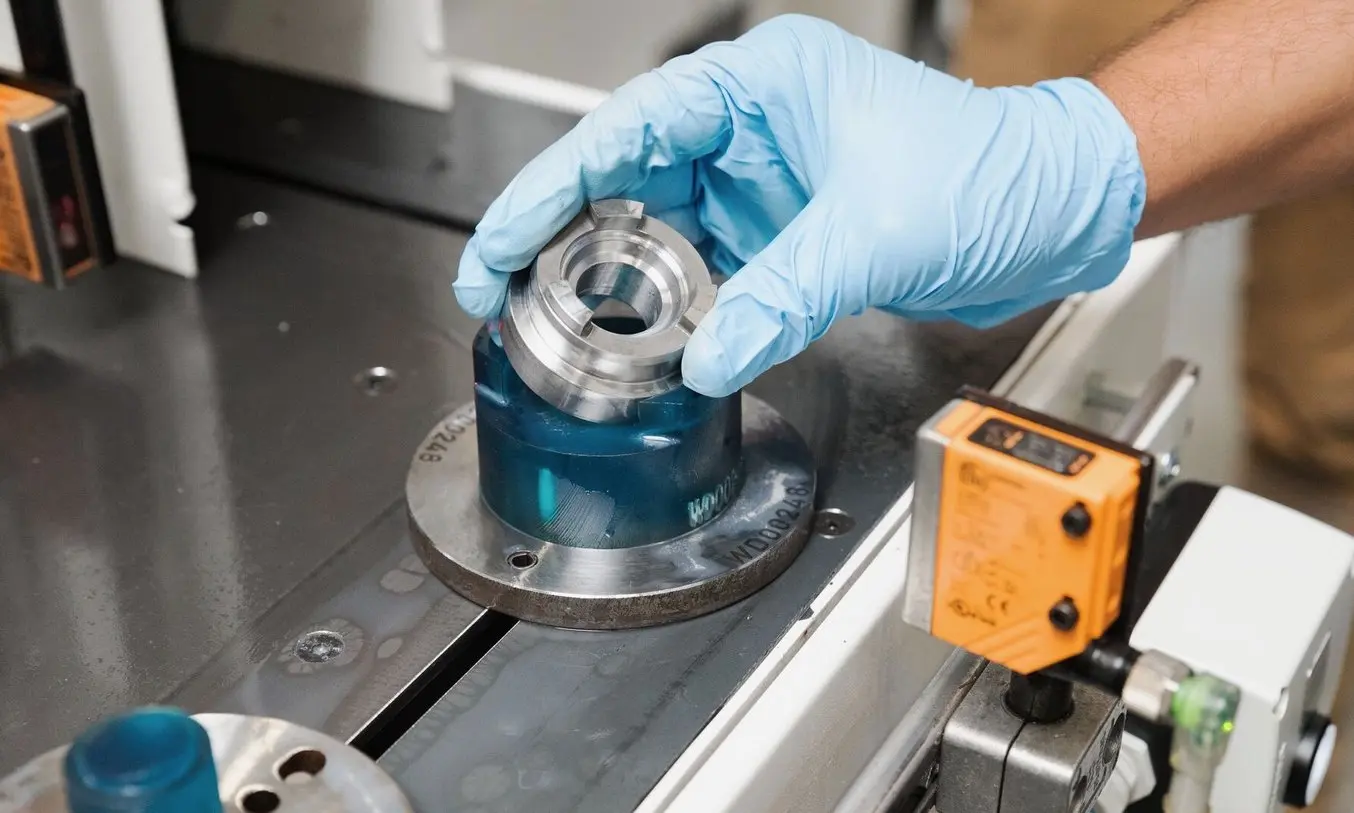
Case studies
How IVAR Hydronic Solutions cut lead times and TCO by outsourcing prototyping and tooling to a partner specialized in additive manufacturing and DfAM.
Read the article →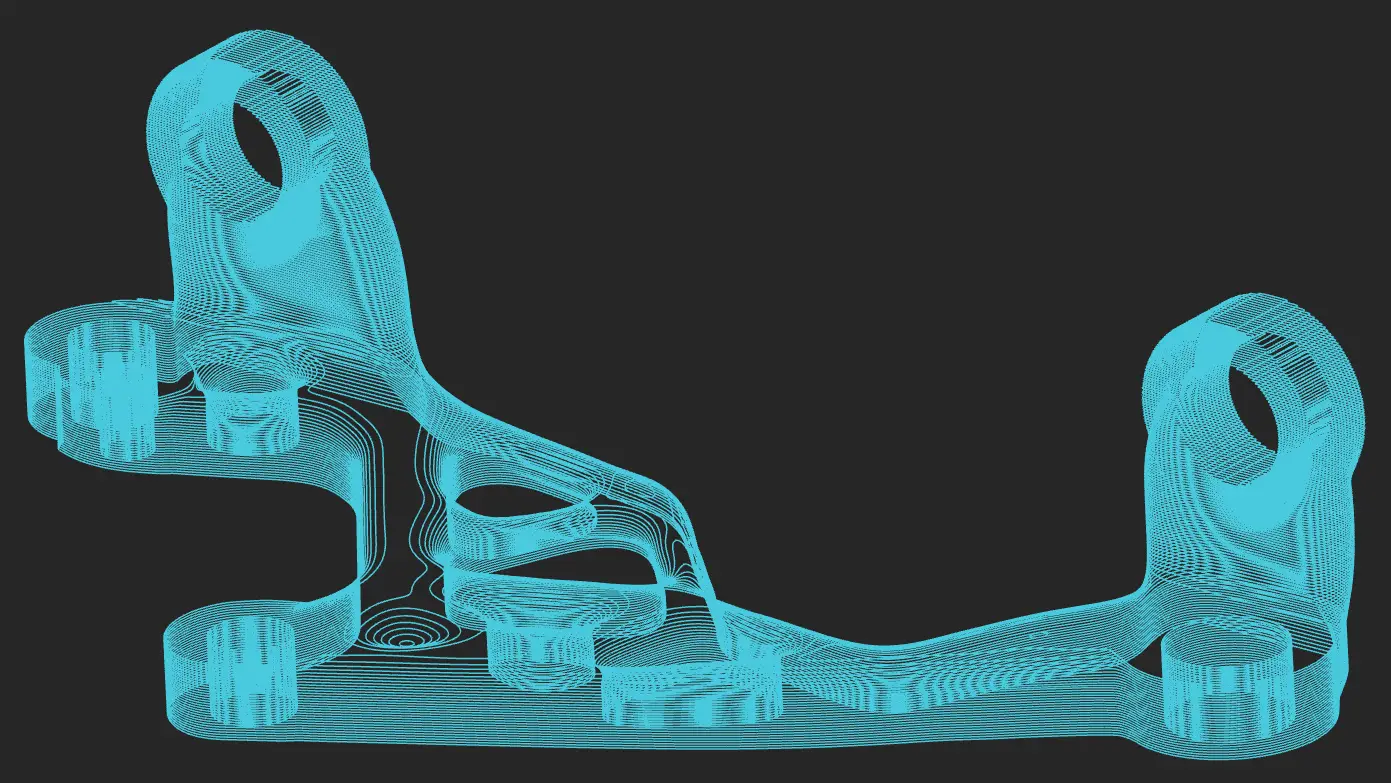
Design guides
The essential rules of Design for Additive Manufacturing: wall thickness, orientation, overhangs, tolerances and topology optimization for each technology.
Read the article →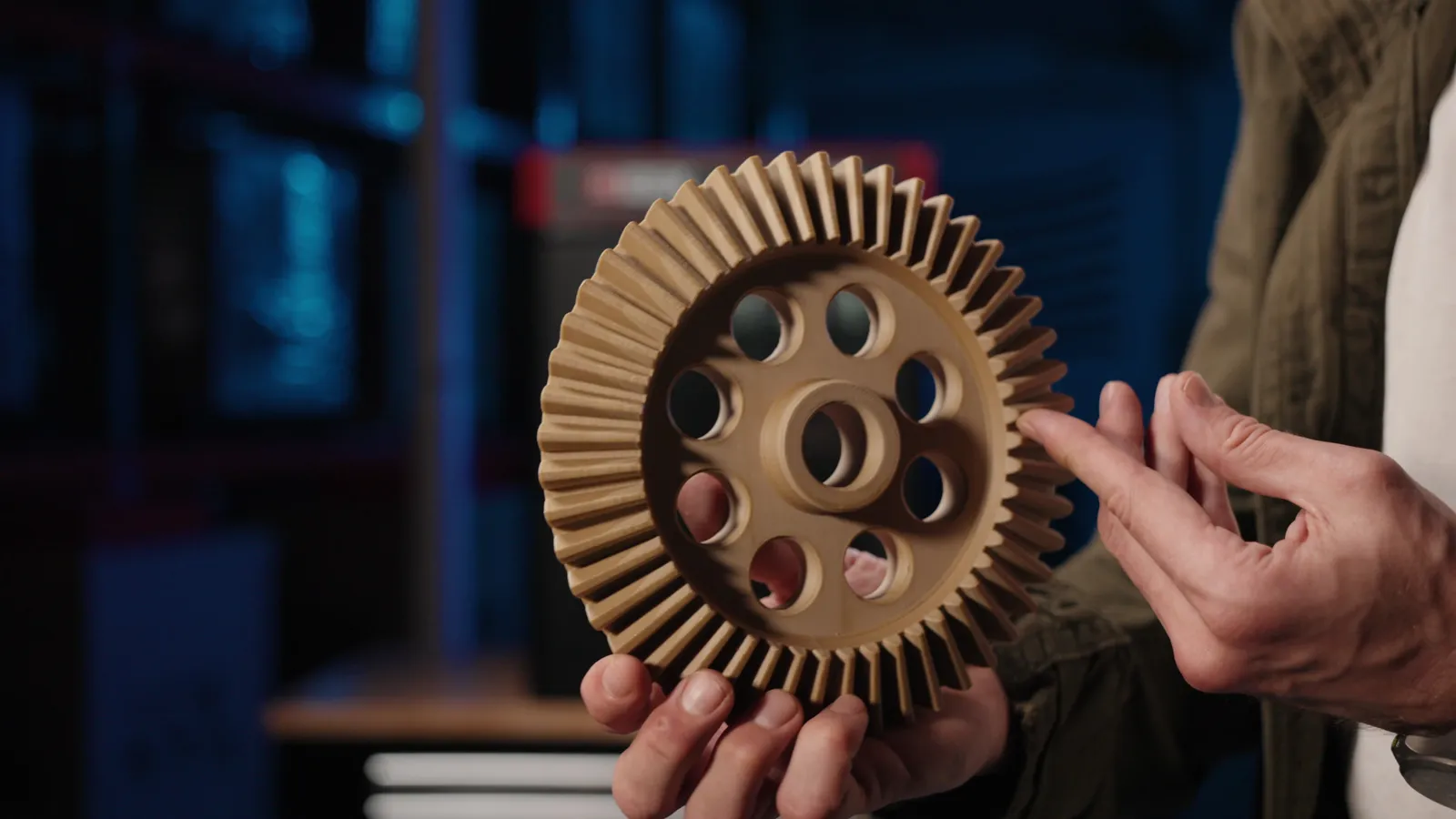
Materials
A technical comparison of high-performance polymers for 3D printing: temperature, chemical and mechanical resistance, cost, and when they replace aluminum.
Read the article →
Technologies
When a continuous fiber composite replaces aluminum: stiffness, weight, cost and the real limits of CFC 3D printing for tooling and parts.
Read the article →